
Connected Gym Equipment Market Driven by Digital Fitness Adoption, Smart Training Technologies, and Evolving Consumer Wellness Trends – Market Research Intellect
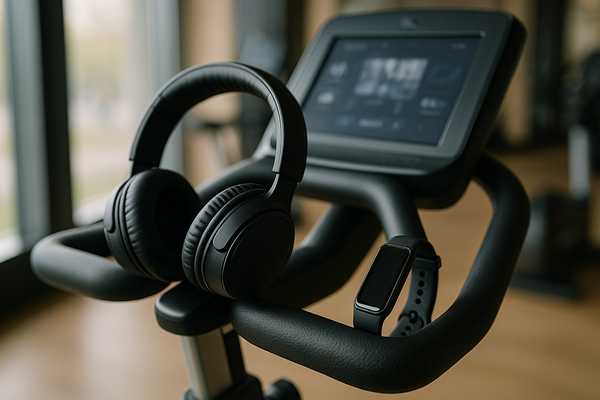
Connected Gym Equipment Market Driven by Digital Fitness Adoption, Smart Training Technologies, and Evolving Consumer Wellness Trends – Market Research Intellect
LEWES, Del., Jan. 19, 2026 — The Connected Gym Equipment Market is gaining strong momentum as consumers increasingly adopt smart fitness solutions that combine hardware, software, and data-driven insights. Rising health awareness, growth of home fitness ecosystems, and integration of AI, IoT, and cloud-based platforms are key growth drivers. Demand for personalized workouts, real-time performance tracking, and seamless connectivity with mobile applications is accelerating market adoption across both residential and commercial fitness environments.
The Connected Gym Equipment Market demonstrated a solid valuation of USD 1.2 billion in 2024. The market is projected to expand significantly, reaching approximately USD 3.5 billion by 2033, supported by a strong CAGR of 14.5% during the 2026–2033 forecast period. Growth is supported by rising investments in smart fitness infrastructure, increasing consumer preference for interactive and data-driven workout experiences, and rapid adoption of connected devices in both home gyms and commercial fitness centers. Continuous innovation in sensor technology, cloud analytics, and subscription-based fitness platforms further enhances market value, positioning connected gym equipment as a key component of the evolving digital health and wellness ecosystem.
Download PDF Brochure: https://www.marketresearchintellect.com/download-sample/?rid=593180
Report details: 202 pages; 126 tables; 37 figures.
Scope of the Report
| Report Attributes | Details |
|---|---|
| Study period | 2020-2031 |
| Base year | 2024 |
| Forecast period | 2026-2033 |
| Historical period | 2020-2024 |
| Unit | Value (USD Billion) |
| Key companies profiled | Peloton Interactive; iFIT Health & Fitness; Technogym; Nautilus; Life Fitness; Precor; Echelon Fitness; Tonal; Mirror (Lululemon); NordicTrack |
| Segments covered | By Type, By Application and By Geography |
| Customization scope | Free report customization (equivalent to up to 4 analyst working days) with purchase. Addition or alteration to country, regional & segment scope. |
Connected Gym Equipment Market Overview
1. Market Evolution and Digital Fitness Transformation
Traditional gym equipment has evolved into intelligent systems capable of tracking performance metrics, offering guided workouts, and delivering real-time feedback through integrated displays and mobile apps. Virtual training, AI-based coaching, and data analytics have significantly enhanced user engagement and retention. Fitness brands are increasingly adopting cloud connectivity and IoT-enabled components, while subscription-based fitness models provide recurring revenue streams. As digital health ecosystems mature, connected gym equipment becomes a core element of smart wellness infrastructure across residential and commercial settings.
2. Consumer Demand for Personalized and Data-Driven Workouts
Personalization is a defining factor for modern fitness routines. Connected equipment enables adaptive resistance, real-time performance tracking, and AI-powered recommendations that improve workout efficiency. Integration with wearable devices enriches data accuracy and user insights. These capabilities are especially attractive to tech-savvy consumers and urban populations, driving manufacturers to prioritize advanced sensors, machine learning algorithms, and seamless app connectivity.
3. Expansion of Home Fitness and Hybrid Training Models
The expansion of home fitness ecosystems has driven demand for connected equipment that replicates professional gym experiences. Smart treadmills, bikes, rowers, and strength machines offer live and on-demand classes for interactive engagement. Hybrid models—combining home workouts with occasional gym sessions—are popular among working professionals, supporting demand for compact, multifunctional, and digitally enabled equipment. Manufacturers respond with space-efficient designs, flexible financing, and bundled content subscriptions.
4. Technological Advancements and Innovation Landscape
Advances in artificial intelligence, machine learning, and IoT enable smarter training systems that analyze user behavior and optimize routines. Cloud platforms support real-time data synchronization, analytics, and remote coaching. Touchscreens, voice assistance, and immersive visuals enhance the user experience. Continuous R&D investments are accelerating product differentiation and feature enhancement, improving workout outcomes and facilitating software upgradability.
Download Sample Report Now: https://www.marketresearchintellect.com/download-sample/?rid=593180
5. Commercial Fitness Centers and Enterprise Adoption
Commercial gyms, studios, hotels, and corporate wellness centers adopt connected equipment to boost member engagement and retention. Smart equipment helps operators track usage, optimize placement, and personalize programs. Data analytics improve operational efficiency and customer satisfaction. Connected platforms also support virtual classes and community challenges, which are valuable for premium and boutique fitness providers.
6. Subscription Economy and Revenue Model Transformation
Subscription-based models bundle hardware with digital content, coaching services, and analytics platforms. Recurring revenue strengthens customer lifetime value and enables continuous software updates. Financing and rental options lower entry barriers for consumers. This shift from one-time sales to service-oriented models is reshaping competitive dynamics and long-term profitability.
7. Integration with Digital Health and Wellness Ecosystems
Connected gym equipment integrates with wearables, fitness apps, and health platforms to track holistic wellness metrics, supporting preventive healthcare initiatives. Healthcare providers and insurers are exploring connected solutions to promote active living and reduce long-term healthcare costs. As wellness gains priority across demographics, connected equipment bridges fitness and healthcare technologies.
8. Market Outlook and Future Growth Potential
Outlook remains highly positive. Rising health consciousness, urbanization, and digital adoption will fuel demand. Emerging markets offer growth opportunities due to rising incomes and smartphone penetration. Manufacturers are expected to focus on affordability, modular designs, and AI-driven personalization. Strategic partnerships with content creators and digital platforms will enhance ecosystem value, making connected equipment more intelligent, accessible, and integrated.
Geographic Dominance
North America currently leads the market, supported by high consumer awareness, advanced digital infrastructure, and strong adoption of home fitness technologies. Europe follows, aided by growing health consciousness and government wellness initiatives. Asia-Pacific is an emerging high-growth region driven by urbanization and rising disposable incomes, with China, Japan, and India showing increasing adoption. Latin America and Middle East & Africa show gradual growth as fitness infrastructure and digital health awareness improve.
Key Players Shaping the Future
Key players include Peloton Interactive; iFIT Health & Fitness; Technogym; Nautilus; Life Fitness; Precor; Echelon Fitness; Tonal; Mirror (Lululemon); and NordicTrack. These companies focus on smart hardware, immersive digital content, and subscription-based ecosystems.
Segment Analysis
The market is segmented by Type, Application, and Geography for comprehensive analysis.
By Type
- Cardiovascular Equipment
- Strength Training Equipment
- Functional and Hybrid Training Equipment
By Application
- Residential / Home Use
- Commercial Gyms and Fitness Centers
- Corporate Wellness and Hospitality
By Geography
- North America
- Europe
- Asia-Pacific
- Latin America
- Middle East & Africa
Consumer Goods and Retail
Retail channels—online and offline—are accelerating adoption by positioning connected equipment as premium lifestyle products. E-commerce, omnichannel strategies, flexible pricing, financing, and subscription bundles make products more accessible. Retailers leverage data-driven marketing and experiential retail to scale market reach and drive sustained adoption.
Related Reports
- Global Disinfection And Sanitation Demand As A Service Market — industry trends & growth outlook.
- Global Self-Monitoring Blood Glucose Devices Market — overview & forecast 2025-2034.
- Reach Trucks Market — size, share & forecast 2025-2034.
- Ophthalmic Surgery Training Simulator Market — industry trends & growth outlook.
- Military Aircraft Simulation Market — analysis & future opportunities.
About Market Research Intellect
Market Research Intellect provides global research and consulting services to more than 5,000 clients worldwide. The firm offers analytical research solutions and comprehensive studies to support strategic growth and critical revenue decisions. Their team of approximately 250 analysts and subject matter experts covers over 25,000 niche markets using advanced data collection techniques and robust methodologies.
Contact
Mr. Edwyne Fernandes
Market Research Intellect
Call Us: +1 743 222 5439
Email: [email protected]
Web: https://www.marketresearchintellect.com/
Logo: https://mma.prnewswire.com/media/2483702/Market_Research_Intellect_Logo.jpg
Source: Market Research Intellect